LEGO Blog
All the latest Brixbox news, straight from the team.
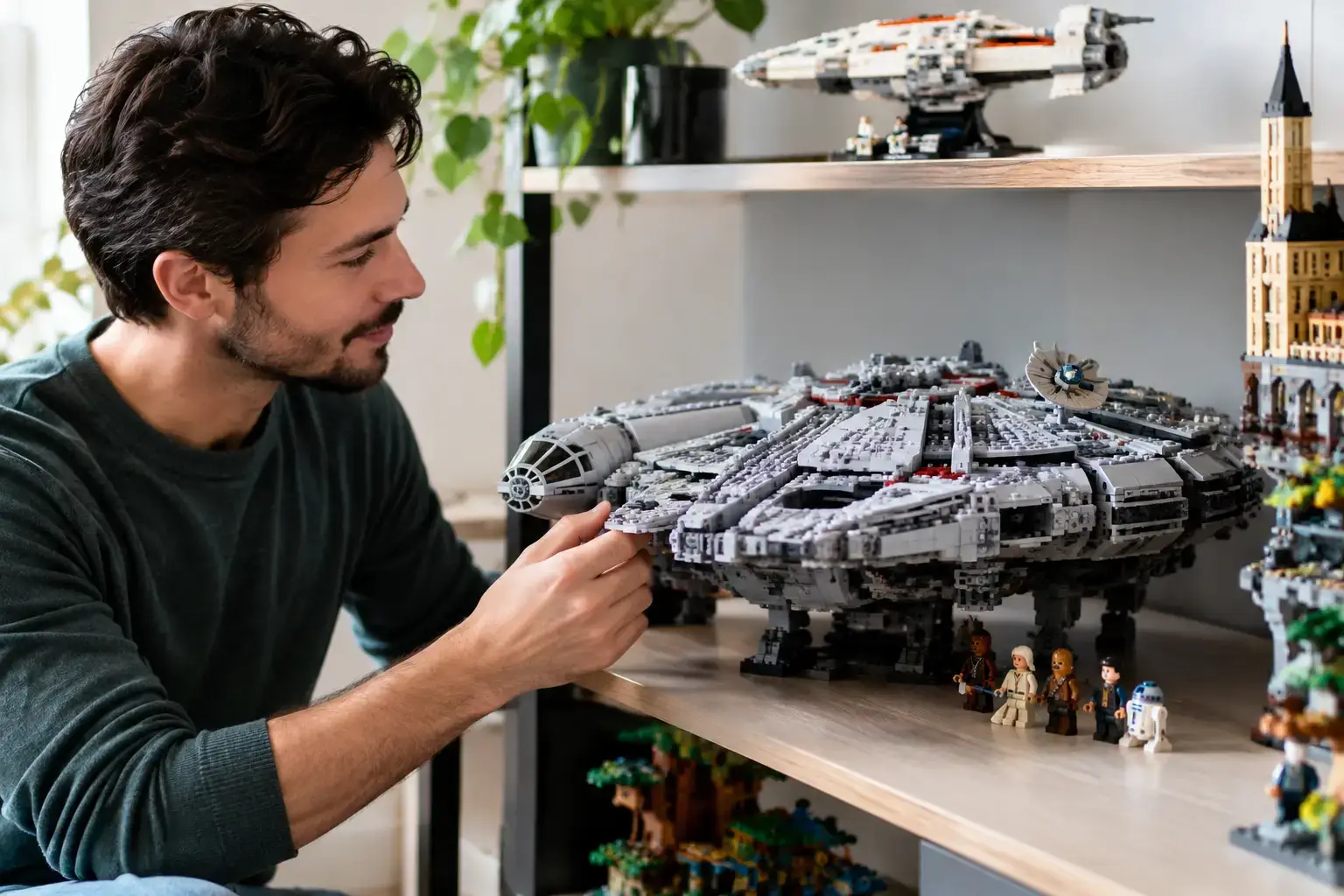
LEGO Collecting for Fans Who Love to Display
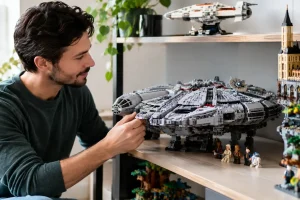
A UCS starship balanced on a crowded bookcase, a Hogwarts castle gathering dust on top of a wardrobe, a favourite minifigure hidden in a drawer because there is nowhere worthy to put it – these are familiar sights for many fans. LEGO collecting is not simply about owning more sets. It is about choosing the builds that mean something, giving them room to shine, and keeping them in the condition they deserve.
For some collectors, that means a focused fleet of Star Wars ships. For others, it is a shelf of LEGO Icons cars, a growing Marvel line-up, or the joy of displaying every helmet in a carefully planned row. There is no single right way to collect. There is, however, a big difference between owning a great collection and presenting one.
Start LEGO Collecting With a Point of View
The most memorable collections have a sense of purpose. That does not mean every set must come from one theme, nor does it mean you have to buy every release. It means knowing what makes you stop scrolling, clear space on a shelf, and say: that one belongs here.
A focused theme can make display planning easier. A Star Wars collector might build around capital ships, helmets and key scenes. A Harry Potter fan may choose architecture, magical locations and favourite characters rather than attempting every set. Motorsport collectors may decide that large-scale Technic supercars are the priority, with smaller vehicles used to add depth around them.
The alternative is collecting by connection. Perhaps a set reminds you of a film you watched repeatedly as a child, a place you visited, or the build you completed with someone important. These sets do not need to match for the collection to feel cohesive. The link is personal, and that matters more than a perfectly uniform shelf.
Before a new set joins the wish list, ask three useful questions: do I genuinely want to build it, do I want to look at it every day, and can I give it a proper home? If the answer is yes to all three, it is likely a stronger addition than a purchase made only because it is new or hard to find.
Buy for the Build, the Display and the Long Term
Premium LEGO sets can be a serious investment, but chasing resale value alone can make the hobby feel more like stock-taking than collecting. Retired sets sometimes rise in value, while others do not. Condition, demand, storage and timing all play a part. No collector can predict every outcome.
A better approach is to buy sets you would be happy to keep. If a set later becomes more sought-after, that is a bonus. If it does not, you still own something you enjoyed building and displaying.
That is especially relevant with large licensed sets. A Millennium Falcon, Rivendell, the Hogwarts Express Collectors’ Edition or a Technic supercar asks for more than a place in the basket. It needs display space, protection and occasional care. Factor those into the cost at the start, rather than treating them as an afterthought once the build is complete.
Boxes deserve an honest decision too. If you collect sealed sets or expect to resell in future, preserve them carefully in a dry, low-light space. If you buy exclusively to build, keeping every empty box can quickly consume a cupboard, loft or spare room. Flattening boxes is an option for some collectors, although it is not for everyone. Keep the instructions, spare parts and any unique packaging that genuinely matters to you, then be realistic about the rest.
Build a Display Plan Before Space Runs Out
Shelves fill faster than expected. What begins with one detailed display piece can become a line of models competing for attention, with smaller builds disappearing behind larger ones. A little planning prevents a collection from becoming a very expensive game of Tetris.
Start by measuring the available space, including height and depth. A model may technically fit on a shelf but still look cramped if its wings, base or stand sit too close to the edge. Leave visual breathing room. A set with space around it looks more intentional, and it is far easier to dust or move safely.
Group Sets to Create a Stronger Scene
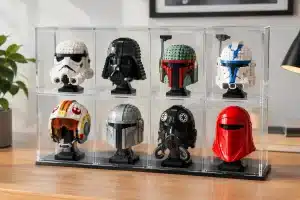
Theme is the obvious way to organise, but scale and colour can be just as effective. A collection of black Star Wars helmets has greater impact when presented together. Bright LEGO Disney models can create a joyful focal point in a different part of the room. Grouping vehicles by era, or arranging minifigures with the locations they belong to, can make an ordinary shelf feel like a curated display.
Think in layers where possible. Taller builds belong towards the back, while smaller figures and accessories can bring the foreground to life. Stands can lift models to a more dynamic angle, particularly ships and vehicles, without stealing valuable shelf depth.
Lighting is worth considering, but it comes with a trade-off. A well-lit cabinet or shelf can add drama, reveal fine details and make printed backgrounds feel even more immersive. Direct sunlight is another matter. Over time, strong sunlight can fade colours and affect stickers, so position cherished sets away from windows or use suitable UV protection.
Give Flagship Sets Their Own Stage
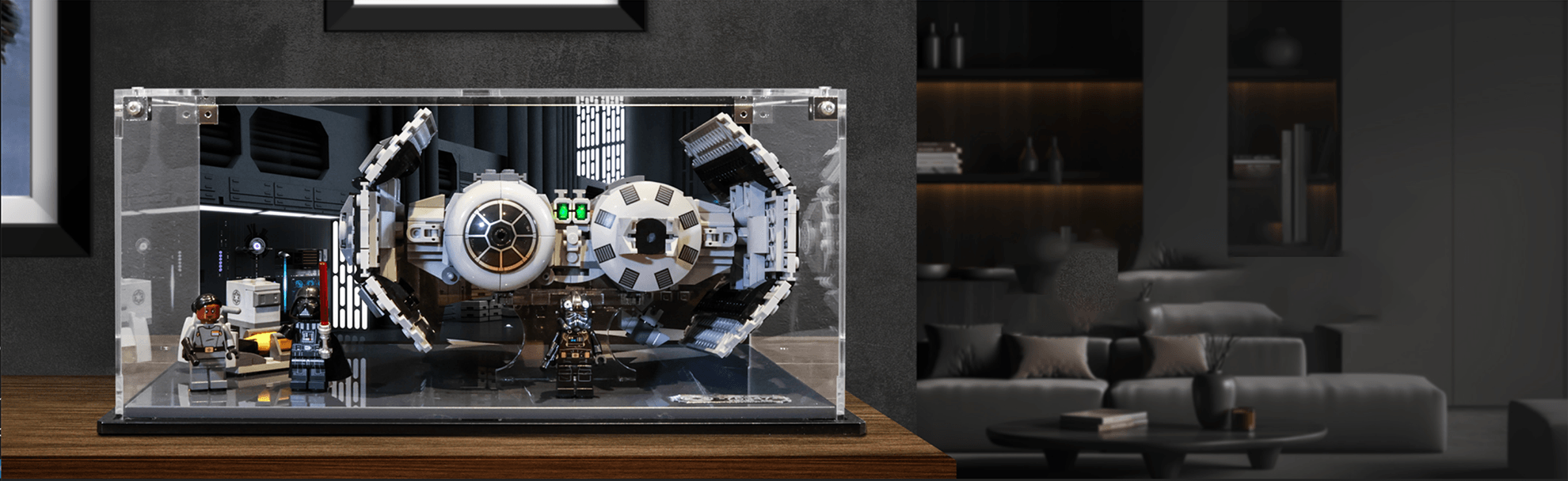
Some sets should not be squeezed between paperbacks and photo frames. Large, intricate builds have detail on every side and deserve to be seen properly. A purpose-built acrylic display case protects the model from dust, accidental knocks and curious hands while keeping the view completely clear.
Set-specific cases make a noticeable difference because they are designed around the dimensions and character of the build. Rather than placing a model in a generic clear box, a fitted case can provide the right clearance, a printed base and a themed background that extends the story behind the bricks. The display becomes part of the finished experience.
At Brixbox, this display-first approach is built around cases, stands and storage solutions made for specific sets and collector themes. It is a practical answer to the question every collector reaches eventually: where does this build look its best?
Protect the Parts That Make a Set Special
Dust is the constant opponent of a displayed LEGO collection. It settles in studs, catches around antennae, dulls transparent elements and finds its way into the tiny gaps of a highly detailed model. Regular light cleaning helps, but prevention saves a great deal of time.
For open displays, use a soft make-up brush or an anti-static brush with a light touch. Avoid pressing down on delicate elements, especially on older sets where connections may have loosened. Compressed air can move dust from one area to another and may dislodge small pieces, so it is best used cautiously. A display case cuts down the cleaning routine dramatically, particularly for complex builds with exposed interiors or dense greebling.
Handle models from their strongest points. A large ship may look solid, but wings, engines, railings and display bases are not always designed to carry its full weight. Move it with two hands where possible, supporting the underside rather than grabbing the most convenient section.
Keep spare parts organised as well. The little bag of extras included with a build is easy to lose, yet it can be invaluable if a piece is knocked loose or vanishes during a move. Labelled storage drawers or small compartment boxes work well for spares, replacement stickers, minifigure accessories and loose elements from works in progress.
Let the Collection Change With You
A brilliant collection does not have to remain fixed forever. Tastes shift. A theme you collected heavily five years ago may no longer excite you in the same way, while a new release can reignite an interest you had forgotten. Editing a collection is not failure. It is how you make room for the sets that now deserve your attention.
Rotate smaller models seasonally, move a favourite build into a more prominent position, or create a dedicated display for a new centrepiece. This keeps the room fresh without needing to buy constantly. It also gives neglected sets another chance to be appreciated.
If you decide to sell, photograph the model before dismantling it, check for missing parts, and sort components carefully. For sets you plan to keep, record the set number, purchase date and any display accessories. This is especially helpful once the collection grows beyond a few shelves.
The best collections are not measured by how many boxes they contain. They are measured by the feeling you get when you walk past them: every build chosen with care, every detail visible, and every favourite given a place where it can be enjoyed properly.
RECENT POST