
LEGO Blog
All the latest Brixbox news, straight from the team.
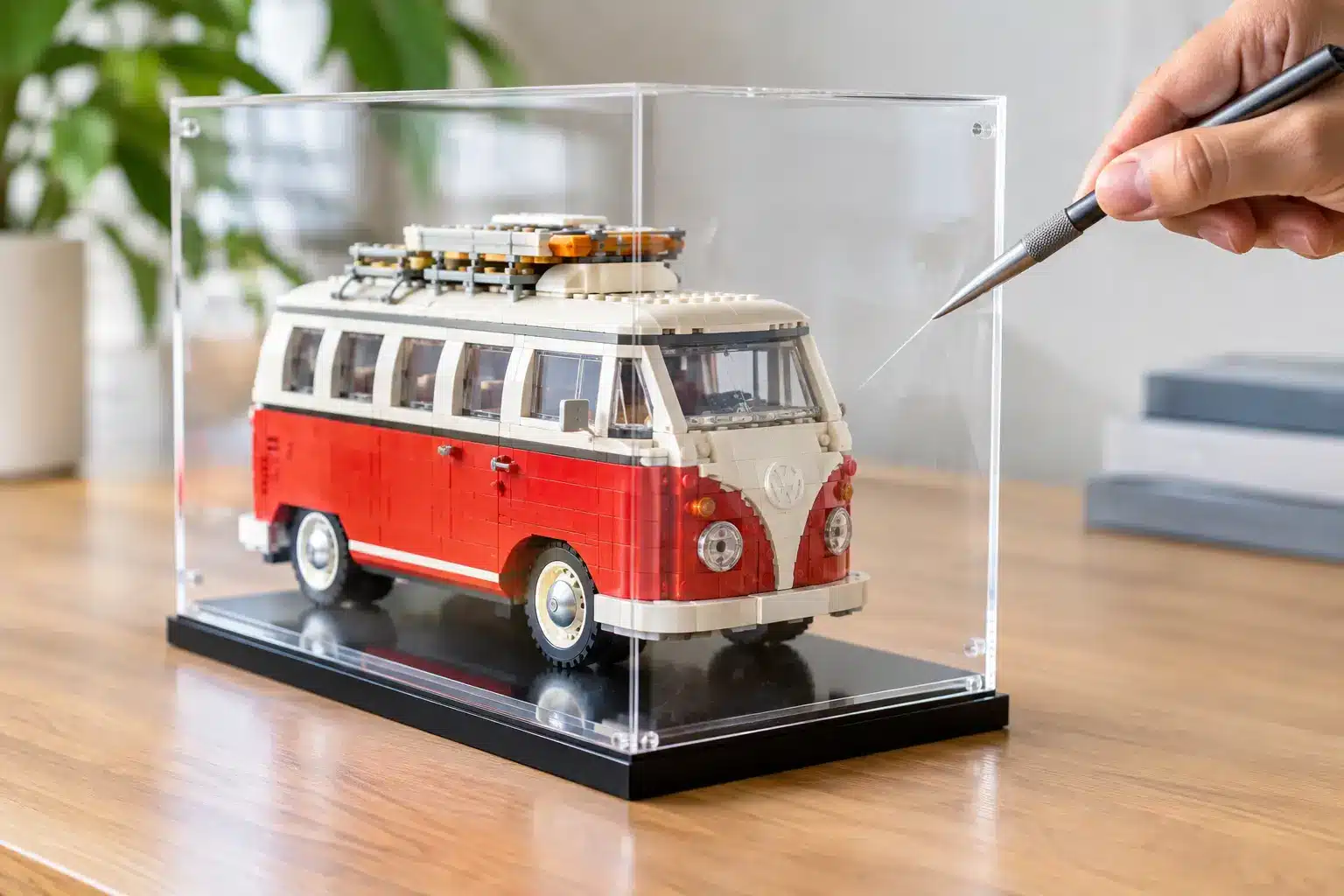
Are Acrylic Cases Scratch Resistant for LEGO?
A display case can make the difference between a prized build that gathers dust on an open shelf and one that looks ready for a gallery. But are acrylic cases scratch resistant enough for a collector’s home? The honest answer is: reasonably, but not completely. Acrylic is well suited to protecting and showcasing LEGO sets, provided it is handled and cleaned with the same care you give the build inside.
That is not a drawback unique to acrylic. Every clear display material comes with trade-offs. Acrylic earns its place in a serious display because it is clear, lightweight and practical for set-specific cases, while still offering a smart level of everyday durability. Understanding where scratches come from is the key to keeping that crystal-clear finish.
Are Acrylic Cases Scratch Resistant in Everyday Use?
Acrylic has good resistance to the light contact that happens around a display: a careful wipe, moving past a cabinet, or lifting a case during a shelf rearrange. Once assembled and left in position, an acrylic case is not constantly exposed to the sort of abrasion that causes obvious wear. For most collectors, that means it will continue to present a model beautifully for years.
It is not, however, scratch-proof. Acrylic is softer than glass, so sharp objects, gritty cloths, rough paper towels and abrasive cleaners can mark the surface. A scratch may be fine enough to see only in direct sunlight, or it may catch the light across a dark backdrop or a brightly lit Star Wars display. That matters when you have spent hours perfecting every last tile, sticker and minifigure pose.
The practical distinction is useful: acrylic is durable enough for display, but it should not be treated like a worktop. Think of it as part of the collectible presentation, not merely a transparent box around it.
Why Acrylic Still Makes Sense for Collector Displays
For display cases, scratch resistance is only one part of the decision. Weight, clarity, safety and design freedom matter too. Acrylic is significantly lighter than a comparable glass panel, which makes a large case easier to handle when positioning it around a finished build. That is a real advantage for sizeable models with delicate wings, antennae, masts or exposed Technic mechanisms.
It also delivers excellent visual clarity. A clear acrylic case keeps attention on the model, while a printed base or themed UV-printed background can add scale, atmosphere and a sense of place. A Hogwarts castle deserves more than an ordinary shelf. A detailed UCS spacecraft looks even stronger against a scene that feels connected to its story.
Acrylic is also less likely to shatter than glass if knocked. It can still crack under enough force, particularly at an edge or during poor handling, but it is generally the more forgiving choice in a busy household. For collectors displaying around children, pets or frequently used living spaces, that balance can be especially reassuring.
Surface scratches versus structural damage
A light surface scratch affects appearance rather than the protective function of the case. The panels can still help keep dust, accidental touches and everyday household debris away from your LEGO set. Deep gouges, cracks or damaged joints are different and deserve attention, particularly if they affect how securely the case sits together.
Most marks are preventable. The biggest risk is usually not the display shelf itself. It is cleaning with the wrong material, dragging a panel across a hard surface, or resting tools and loose parts on top of the case during a rebuild.
What Can Scratch an Acrylic Case?
The surprising enemy is dust. Dust looks soft, but it often contains tiny particles of grit. Rubbing a dry cloth over a dusty panel can drag those particles across the acrylic and create fine swirls. The same applies to using a sleeve, kitchen roll or whatever cloth is closest at the time.
Avoid placing the case directly onto an unprotected stone, metal or rough wooden surface while assembling it. If a panel must be put down, use a clean, soft towel or microfibre cloth underneath. Keep screwdrivers, craft knives, brick separators and loose LEGO elements away from the panels too. One slip with a sharp part can leave an unwanted reminder in an otherwise immaculate display.
Chemical cleaners can cause problems as well. Household glass cleaners may contain ingredients that are unsuitable for acrylic, and abrasive cream cleaners are a definite no. They can dull the surface or leave fine marks that reduce the clarity collectors want from a premium case.
How to Clean Acrylic Without Leaving Marks
Cleaning should be gentle and deliberate, especially on a large case where reflected room light can make every streak visible. Start by removing loose dust without pressing hard. A clean, high-quality microfibre cloth is the collector’s best friend here.
If the panel needs more than a light dust, use a small amount of clean water or an acrylic-safe cleaner applied to the cloth rather than sprayed heavily onto the case. Wipe with light, straight strokes. Do not scrub at one stubborn spot with pressure. Instead, moisten it lightly, let the residue lift, then wipe again with a fresh part of the cloth.
A few simple habits make the biggest difference:
- Use only clean, soft microfibre cloths. A cloth that has picked up grit from another job can scratch acrylic.
- Do not use paper towels, scouring pads, stiff brushes or rough household cloths.
- Lift the case when moving it. Never slide it across a shelf, desk or floor.
- Clean fingerprints early, before they become a tempting target for vigorous polishing.
If you are assembling a new case, leave any protective film in place until the relevant panel is ready to fit. Peel it back carefully rather than pulling it against a sharp corner. This keeps the surface protected through the busiest part of the process.
Placement Has a Bigger Impact Than You Might Think
Once the case is built, its location helps determine how much cleaning it needs and how exposed it is to accidental marks. A stable shelf away from high-traffic routes is ideal. Avoid cramped spaces where bags, chair backs or passing elbows regularly brush against the display.
Direct sunlight is worth considering too. It is not primarily a scratch issue, but long periods of strong sunlight can affect the appearance of collectible elements, printed details and display materials over time. A bright room is great for enjoying a build; harsh, uninterrupted sun is less kind to a long-term showcase.
Give the case enough breathing room around its sides and above it. A tightly packed shelf makes it harder to lift the cover safely when you want to adjust a minifigure, replace a battery or give the model a closer look. Space turns maintenance from a risky manoeuvre into a quick, calm task.
Choose a case designed around the build
A generic display box may leave wasted space, awkward gaps or a base that does not properly support the model. Set-specific cases are designed to frame the build at its intended footprint, helping it look considered rather than simply stored. They also reduce the temptation to keep moving the model and case until things fit.
For a collector who wants themed presentation alongside practical protection, Brixbox cases pair clear acrylic with display-focused bases and optional printed backgrounds made to complement the set inside. The result is not just a barrier against dust. It is a proper stage for the finished model.
Can Existing Acrylic Scratches Be Removed?
Very fine surface marks can sometimes be reduced with specialist acrylic polishing products, used carefully and according to their instructions. This is best approached with patience. A poor polishing attempt can create a larger hazy patch than the original scratch, particularly on a broad, highly visible panel.
Deeper scratches are harder to disguise completely because removing them requires taking away material from the surrounding area. If the mark is noticeable only from a certain angle, it may be wiser to leave it alone rather than risk changing the clarity of the whole panel. As with a treasured LEGO set, careful prevention is usually better than a heavy-handed repair.
For a case that has become badly scratched, cracked or clouded, replacing the affected panel may be the cleaner route. It restores the crisp presentation that makes the model feel special, without compromising the rest of the display.
Acrylic rewards collector care. Keep it away from abrasive materials, use a soft cloth and give your display a stable home, and it will stay clear enough to let every printed tile, minifigure and carefully engineered detail take centre stage.
RECENT POST