LEGO Blog
All the latest Brixbox news, straight from the team.
Acrylic Cases That Let Your LEGO Collection Shine
That final brick deserves better than an open shelf. Premium LEGO sets gather dust quickly, attract accidental knocks and can lose their impact when they are surrounded by everyday clutter. Acrylic cases give completed builds a defined space, protecting the detail you spent hours assembling while turning the set into a proper display piece.
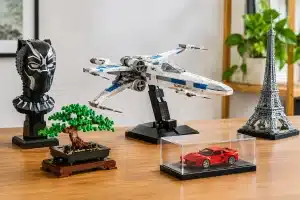
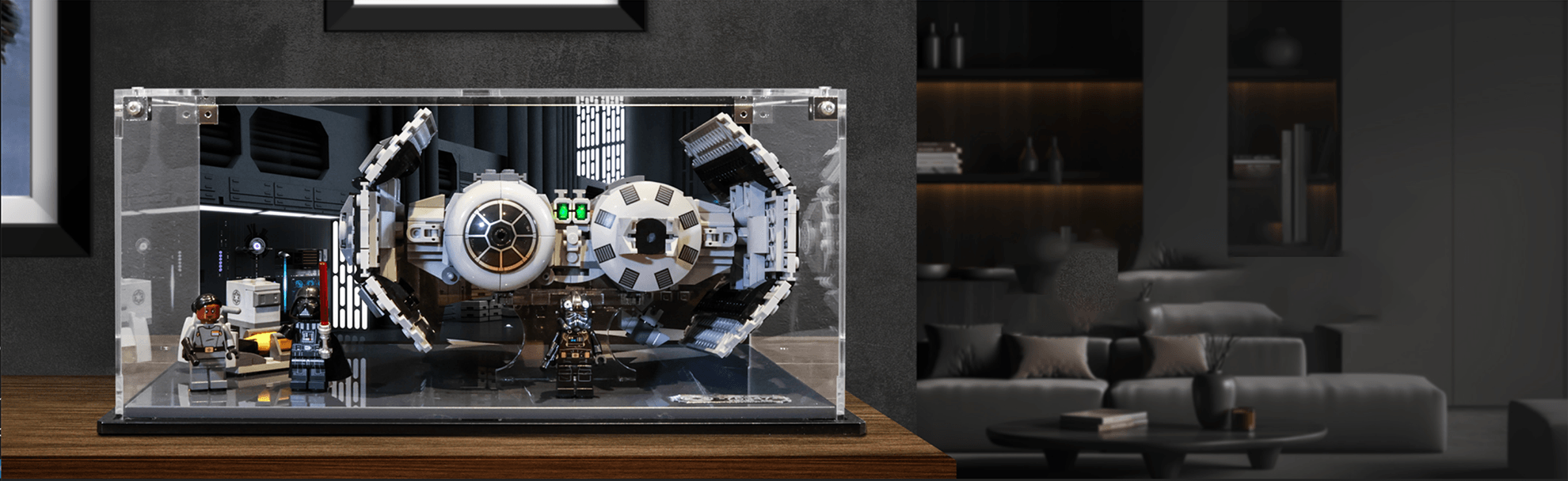
For collectors, that difference is immediate. A UCS starfighter looks more commanding behind crystal-clear panels. A Hogwarts build feels more like a scene from the Wizarding World with a printed backdrop. A Technic supercar gains the presence of a showroom model rather than another item on a bookcase. The right case does not hide the build – it gives it the stage it earned.
Why acrylic cases matter for serious collectors
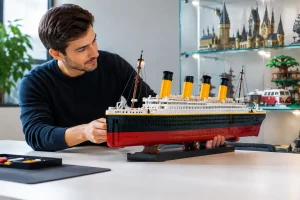
Dust is the obvious reason to choose a display case, but it is not the only one. Exposed LEGO models collect a fine layer of dust that settles into studs, cockpit interiors, foliage and minifigure printing. Cleaning can be slow, fiddly and risky around delicate sections, especially on larger builds with antennas, sails, wings or detailed greebling.
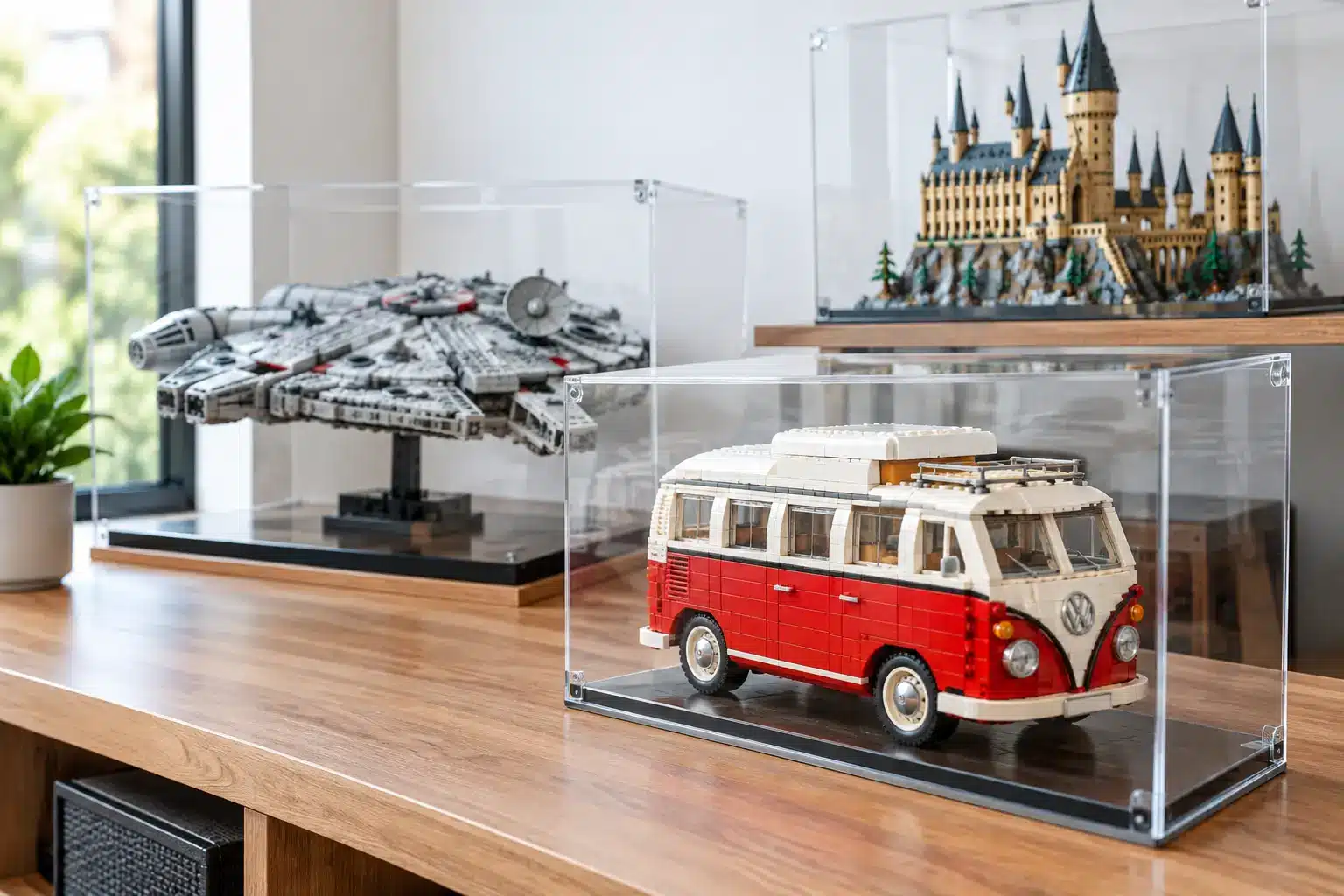
Acrylic cases create a protective barrier between your collection and the realities of a busy home: airborne dust, curious hands, pets, sunlight from a nearby window and the occasional misplaced sleeve. They also make it easier to keep shelves looking organised. Instead of a collection feeling like separate models placed wherever they fit, each set has a clear footprint and a considered presence.
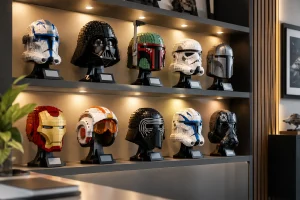
Presentation matters just as much. Many collector sets are designed with display in mind, from Star Wars helmets and Marvel models to landmark architecture and elaborate Disney scenes. A case frames the model, draws attention to its best angles and gives the whole display a more intentional finish.
Generic boxes versus set-specific acrylic cases
Not every acrylic case is made for a LEGO set. A generic cube may protect a model, but it can leave too much empty space, make access awkward or force you to compromise on how the build sits inside. For a small BrickHeadz model, that may be perfectly acceptable. For a premium set with a carefully designed base, it is rarely the best result.
Set-specific acrylic cases are built around the dimensions and character of an individual model. That means appropriate clearance for raised wings, tall towers, extended weaponry or a dramatic pose. It means the base can support the set cleanly rather than leaving it looking stranded in the middle of a large empty box. Most importantly, it lets the display feel designed rather than improvised.
This is especially valuable with sets that tell a story. The right background can give a Star Wars ship the sense of moving through deep space, place a Harry Potter build in a suitably magical setting or create a high-energy backdrop for a Marvel scene. Printed bases can also turn a standard shelf display into something that feels closer to an exhibition piece.
There is a trade-off. Set-specific cases offer a stronger fit and a more polished look, but they are naturally less flexible if you later move the model on or rebuild it into something else. If you regularly rotate small creations, a versatile case may make more sense. If you have invested in a set you plan to display for years, purpose-built is usually the smarter choice.
Choosing the right case for your build
Start with the model, not the shelf. Measure only if you are buying a universal case, and include the widest, tallest and deepest points of the finished display – not just the dimensions listed on the original box. Raised minifigures, display stands, antennae and angled wings are easy to overlook.
For a set-specific option, check the exact set number as well as the name. LEGO occasionally releases similarly named models in different scales, and a case made for one version will not necessarily suit another. Compatibility should be clear, particularly for large collector favourites such as UCS vehicles, Hogwarts displays, helmet collections and Technic cars.
Then consider where it will live. A low shelf benefits from a case that offers a strong front view, while a higher shelf may need a display that looks equally good from below. If your collection is viewed from all sides, choose clear panels throughout. If it sits against a wall, a printed rear panel can add depth and atmosphere without demanding extra space.
Think about visual consistency too. A row of related displays can look exceptional when the bases and backdrops share a considered style. Matching acrylic cases for helmets, minifigures or a line-up of Star Wars sets create a gallery effect, even when the models themselves vary in size.
The details that make a display feel premium
Clear acrylic is only part of the story. The best displays pay attention to the elements around it: panel clarity, secure construction, clean edges and a base that complements rather than competes with the model. A wobbly or poorly fitting case undermines the sense of quality you want from a collector display.
Printed bases are particularly effective because they define the scene from the ground up. A road surface brings out the stance of a Technic car. A dark, graphic base can give a helmet display more weight. A themed landscape can make a small character model feel less like a standalone figure and more like a moment from its world.
UV-printed backgrounds add another layer. Unlike a loose poster placed behind a model, a fitted printed backdrop is part of the display itself. It can establish scale, bring colour into a neutral room and create a stronger focal point without cluttering the shelf with extra props. The build stays centre stage, but its world comes with it.
That said, more artwork is not always better. Highly detailed sets already have plenty to look at, and a busy background can compete with them. For intricate modular-style scenes, large vehicles or builds with lots of colour, a restrained base or simple backdrop often gives the cleanest result. Let the set decide how much visual support it needs.
Building a display that stays enjoyable
A case works best when you plan the display around everyday living, not just the moment you take a photo. Leave enough room above and around it to lift the cover safely if you need access. Avoid placing the case in direct, prolonged sunlight, which may affect bricks and printed elements over time. A stable, level surface is essential, especially for heavier builds.
Before enclosing the model, take a few minutes to inspect it. Reattach any loose elements, remove visible dust and make sure your minifigures are positioned exactly as you want them. Once the case is in place, you will be grateful that the scene is ready to enjoy rather than needing constant small adjustments.
Keep the outside clean with a soft microfibre cloth. Avoid abrasive materials that may mark the surface, and do not spray cleaning products directly onto the acrylic. A gentle approach preserves the crisp, clear finish that makes the display work.
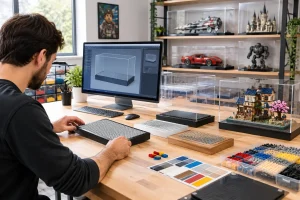
There is also a practical collecting benefit: cases encourage you to curate. When each display has a dedicated footprint, you make more deliberate decisions about which builds earn a permanent place. That does not make a collection smaller. It makes every shelf feel more personal, more coherent and far more satisfying to look at.
Give each build its moment
Whether it is a childhood favourite, a gift worth preserving or the centrepiece you queued to buy on release day, a completed LEGO set carries more value than its brick count. It represents time, patience and a story you chose to build.
Brixbox acrylic cases are made for that feeling: precise protection, themed presentation and a finish that lets your collection stand out like never before. Choose a case that fits the set, suits the space and makes you pause for a second whenever you walk past it. That is the real mark of a display worth keeping.
RECENT POST