LEGO Blog
All the latest Brixbox news, straight from the team.
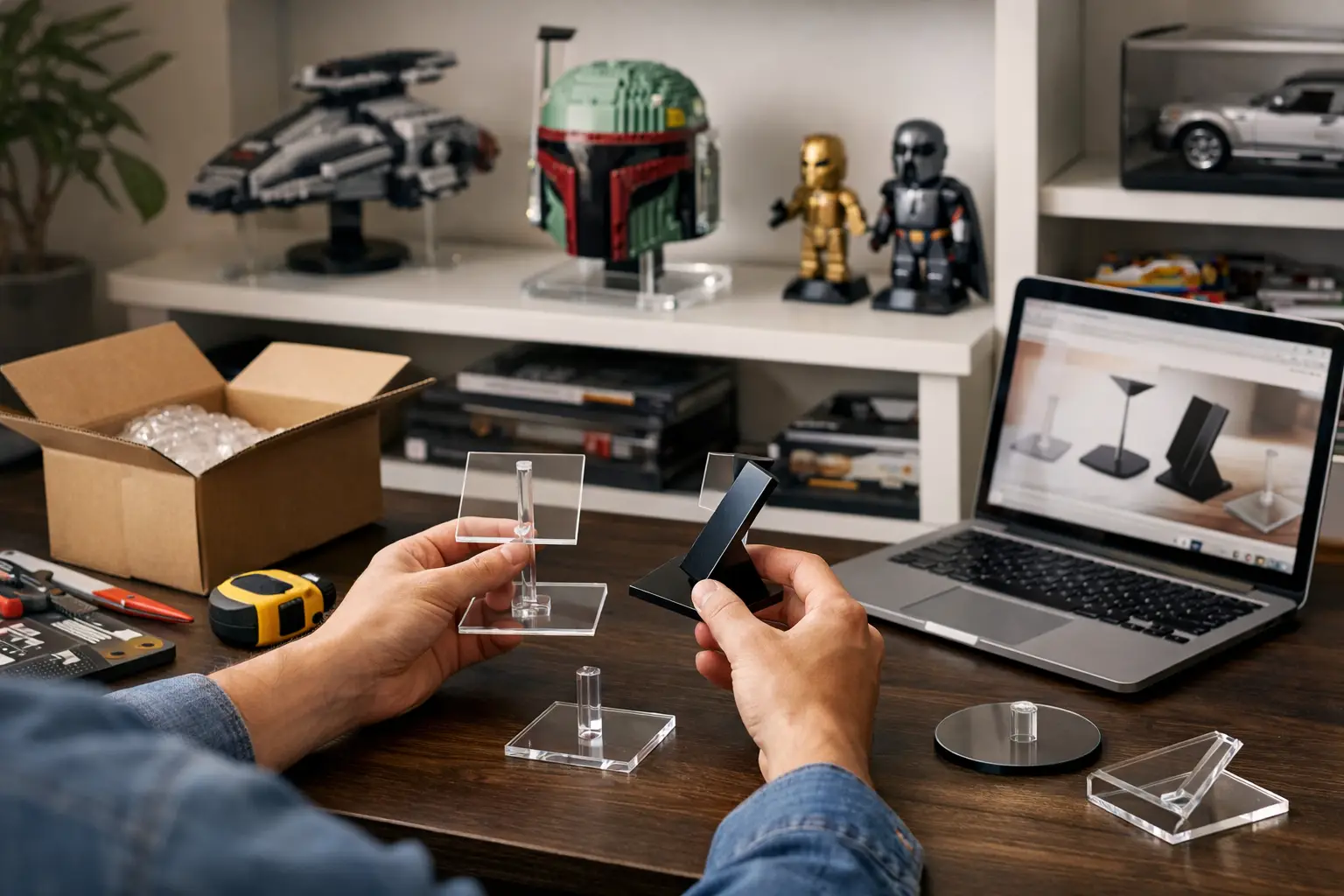
Choosing the Right LEGO Helmet Display Stand
Some LEGO builds are made to sit quietly on a shelf. Helmet sets are not. They have presence, shape, and just enough menace or nostalgia to pull focus the moment you walk into the room. That is exactly why choosing the right lego helmet display stand matters. A great stand does more than hold the build upright – it sharpens the silhouette, improves the viewing angle, and turns a good display into one that actually feels collection-worthy.
For collectors, that difference is huge. Helmet models sit in a sweet spot between sculpture and fandom piece, so the display has to work on both levels. If the stand looks generic, too bulky, or poorly proportioned, it drags the whole presentation down. If it is designed properly, the helmet becomes the star and the display feels intentional from every angle.
Why a LEGO helmet display stand changes the look
Helmet sets already come with their own black display bases, and for some collectors that is enough. But there is a reason dedicated display solutions have become such a big part of the hobby. The standard base is functional. It is not designed to frame the model, protect it from dust, or help it sit more naturally within a wider collection.
That is where a specialist stand earns its place. The best options create cleaner lines around the build and make the model look more elevated without competing for attention. Some also improve shelf efficiency, which matters if you have more than one helmet and want them to sit together without looking cramped or uneven.
There is also the issue every collector knows too well – dust. Helmet sets have curves, vents, studs and tiny recesses that seem to collect it faster than almost anything else. A stand on its own will not solve that problem, but a display setup designed with presentation in mind usually makes the helmet easier to position within a case or a more controlled shelf arrangement. That practical side is part of the appeal, even if the visual upgrade is what most people notice first.
What to look for in a LEGO helmet display stand
The first thing to check is proportion. A helmet build has visual weight, even when the actual model is fairly compact. If the stand is too slight, the display can feel unstable or underwhelming. If it is too chunky, it overpowers the helmet and starts to look like part of the build rather than a showcase piece. The best balance is a stand that feels solid and premium while letting the model do the talking.
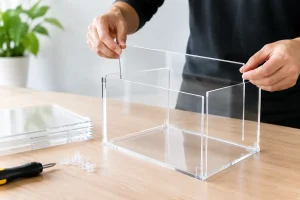
Material matters as well. Acrylic is popular for good reason. It gives a clean, polished finish and works especially well with licensed display pieces because it keeps the overall look modern and gallery-like. A poorly finished material, or one that scratches easily and looks cloudy, can cheapen a premium set surprisingly quickly.
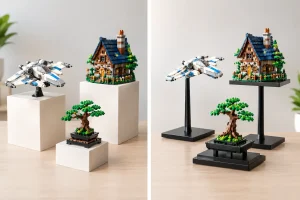
Angle is another detail that collectors often overlook at first. A helmet displayed completely flat can sometimes appear static, especially on lower shelves where you mostly see it from slightly above. A subtle lift or a more considered presentation angle can make the front profile stronger and bring out shaping that gets lost when the model is sat in a standard position. It depends on the helmet, of course. Some designs are all about the faceplate. Others look best in three-quarter view, where the contours have more depth.
Then there is footprint. This matters less if you have one favourite build on a dedicated shelf, but if you are displaying a run of Star Wars helmets or mixing helmets with BrickHeadz, ships or diorama sets, the width and depth of the stand become part of the planning. A smart display stand should help you organise the collection, not create new spacing problems.
Stand alone or as part of a full display setup?
This is where collector preference really comes into play. If you love a minimal look, a stand on its own can be exactly right. It keeps the helmet front and centre and avoids visual clutter. For a desk, media unit or narrower shelf, that simple approach often works best.
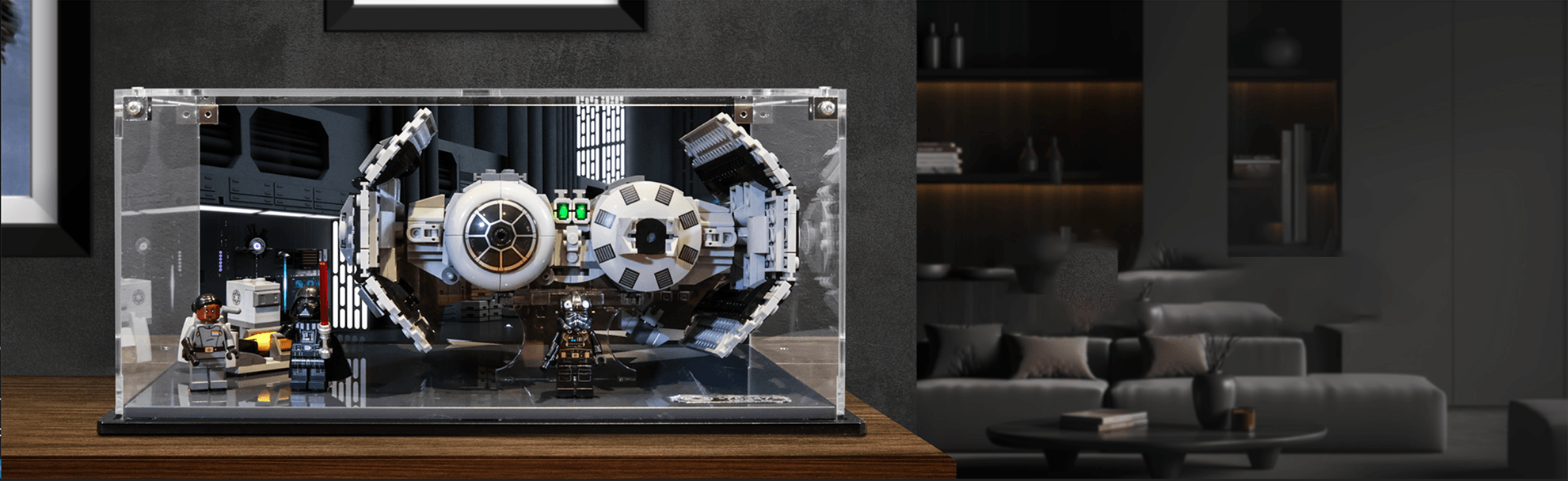
But if your goal is a premium showcase finish, a stand usually works best as one element of a fuller display. That might mean pairing it with an acrylic case, a printed background, or a base design that leans into the theme of the set. The difference is not subtle. A helmet placed on a generic shelf looks like a completed build. A helmet presented within a dedicated display setup looks like part of a curated collection.
That distinction matters more with licensed themes. Star Wars helmets, in particular, carry a built-in sense of iconography. They are instantly recognisable, and they deserve a display that reflects that. A collector who has spent time building Boba Fett, Darth Vader or a Scout Trooper usually wants more than storage. They want presentation that feels worthy of the model.
Matching the stand to the set
Not every helmet has the same display needs. Some are broader and more visually top-heavy. Others are narrower but have stronger side detail. A one-size-fits-all stand can work, but set-specific display solutions nearly always feel better judged.
That is because each helmet has its own character. Darth Vader needs drama and presence. The Dark Trooper benefits from a cleaner, sharper style. A Clone Commander Cody helmet has a different visual rhythm again, with more colour contrast and a distinctive profile. The display stand should support those differences rather than flatten them into the same generic look.
This is where specialist retailers stand apart from generic accessory sellers. A display-first brand understands that collectors are not just buying support hardware. They are buying a better way to exhibit a specific build. That is a subtle but important difference, and it shows in details like fit, spacing, finish and how naturally the stand complements the official model.
A good display should feel premium, not fussy
One of the easiest mistakes in display design is overdoing it. Extra branding, awkward shapes, heavy supports or unnecessary visual elements can make the whole setup feel busy. That is especially risky with helmet sets because the builds themselves already have plenty of texture and structure.
A better approach is controlled presentation. Clean acrylic, crisp lines and thoughtful proportions usually beat anything that tries too hard. Premium display is not about piling on detail. It is about making every element feel considered.
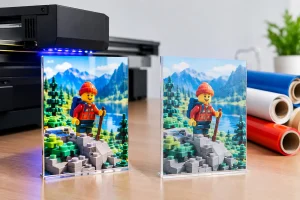
That is also why customisation needs restraint. Printed bases and themed backgrounds can look fantastic, but only when they enhance the helmet rather than competing with it. The strongest setups create atmosphere without stealing focus. Done right, they bring the legend to life. Done badly, they feel like stage dressing.
The collector trade-off: style, protection and space
There is no single perfect answer because every collection has different priorities. If your main issue is dust, you may find that a display stand alone is only half the solution and a case becomes the real upgrade. If your collection is spread across open shelving, the stand may be the easiest way to create consistency without changing the entire room.
Budget plays a role too. Some collectors are happy to start with a simple stand and upgrade later. Others would rather invest once in a more complete display from the start. Neither approach is wrong. It depends on whether you are refining a growing collection or finishing a centrepiece display you want to get exactly right.
The same goes for room style. A stark modern setup suits clear acrylic and minimal bases beautifully. A more themed games room or fan space can carry bolder printed elements without feeling overdone. The best display choice is the one that makes the set look at home while still letting it stand out.
When is it worth upgrading your current setup?
Usually, the answer arrives the moment a shelf starts to feel messy. If your helmets are fighting for space, sitting at odd heights, or collecting dust faster than you can keep on top of, your display is probably ready for an upgrade. The build itself has not changed, but the way it is being shown no longer matches the quality of the set.
That is often the tipping point for serious collectors. Once you have invested in premium LEGO models, the display stops being an afterthought. It becomes part of the experience. A purpose-built stand gives the helmet more presence, makes the collection easier to enjoy, and helps every piece feel like it belongs.
For collectors who care about finish, that is the real value of a well-made lego helmet display stand. It is not just support. It is presentation, protection, and pride wrapped into one clean piece of kit.
When a helmet set looks this good, it should never feel tucked away or second-best on the shelf. Give it a display that does the build justice, and the whole collection instantly looks sharper.
RECENT POST