LEGO Blog
All the latest Brixbox news, straight from the team.
Best Way to Display LEGO Sets at Home
A finished LEGO set should not end up squeezed between paperbacks, half-hidden on a shelf, or slowly turning grey under a layer of dust. If you have spent hours building a UCS starship, a Technic supercar, or a helmet display with real presence, the best way to display LEGO sets is to treat the display as part of the collection, not an afterthought.
That usually means balancing three things at once: presentation, protection, and space. Get all three right and your set does more than sit there. It looks sharper, feels more premium, and stays in better condition for far longer.
What is the best way to display LEGO sets?
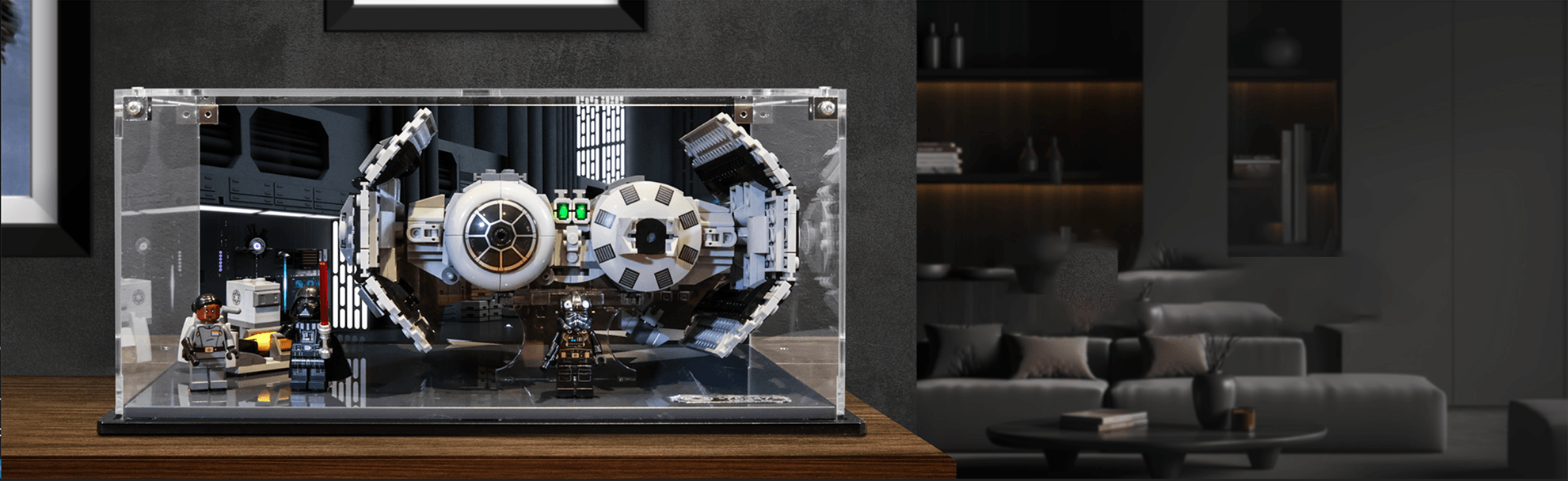
For most collectors, the best way to display LEGO sets is inside a purpose-built acrylic display case, often paired with a display stand or themed background where the set suits it. That gives you the cleanest look, protects against dust, reduces accidental handling, and turns the model into a proper showcase piece rather than just another object on a shelf.
There are exceptions. Smaller builds, play-focused sets, and models you regularly pick up or rearrange may work perfectly well on open shelving. But once you move into premium territory – larger Star Wars ships, collector helmets, modular buildings, Technic cars, or retired sets you want to preserve – open display starts to feel like a compromise.
Dust is the biggest reason. It settles into studs, between tiles, around exposed greebling, and into every awkward little corner that makes a LEGO build look brilliant in the first place. Cleaning it is tedious, and on more delicate models it can be risky too. A case solves that problem immediately while also making the whole setup look more intentional.
Why open shelves are only half the answer
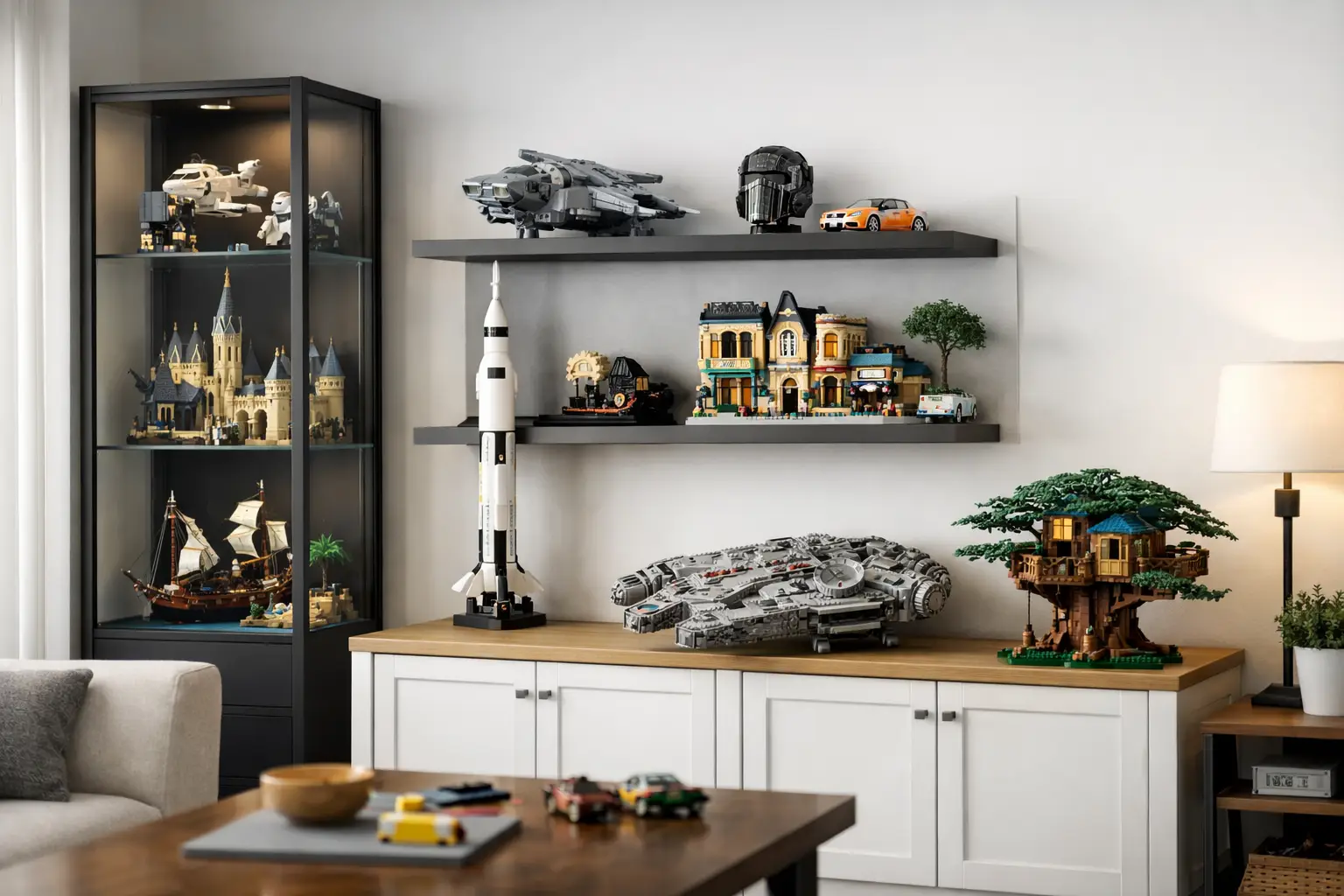
Open shelving is popular because it is simple. You build the set, place it on a bookcase or floating shelf, step back, and admire it. For some collections that is enough, especially if you like easy access and rotate displays often.
The trade-off is that open shelves put all the work on you. You need to keep the room clean, dust regularly, watch for direct sunlight, and leave enough breathing room around each build so it does not look cluttered. If you pack too many models together, even expensive sets lose impact. Instead of a curated display, the shelf starts to read as storage.
There is also the issue of stability. A long-winged starfighter, tall crane, or top-heavy mech is far more vulnerable on an exposed shelf than in a fitted case. If the set lives in a family room, near pets, or anywhere people brush past, the risk climbs fast.
Display cases make premium sets feel premium
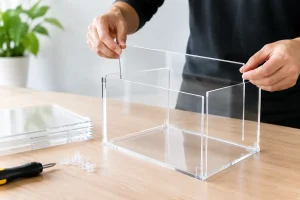
Acrylic display cases are popular with serious collectors for good reason. They create a visual frame around the set, which instantly improves presentation. They also protect against dust, reduce fading risk when positioned sensibly, and stop casual handling from loosening parts over time.
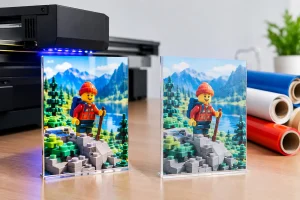
The difference between a generic box and a set-specific case matters more than many collectors expect. When the dimensions are right, the set sits with proper spacing around it rather than rattling around in a container that feels oversized and temporary. Add a printed background or detailed base, and the display starts to tell more of a story.
That is especially effective with licensed themes. A Star Wars ship can feel far more cinematic with the right backdrop. A Harry Potter build gains atmosphere when the presentation matches the world it belongs to. A display should not distract from the model, but it absolutely can elevate it.
This is where a specialist approach stands out. Brixbox focuses on display solutions that are designed around specific sets and collector categories, which makes a huge difference if you care about fit, finish, and that polished showcase look.
The best way to display LEGO sets depends on the type of set
Not every set wants the same treatment. A modular building and a helmet have very different display needs, and that is where many collectors go wrong. They choose one display method for everything and end up with a setup that works for none of it particularly well.
Large collector sets
Big flagship sets benefit most from enclosed display. These are often the most expensive, the hardest to clean, and the most likely to become centrepieces. UCS sets, large castles, premium Technic models, and detailed movie tie-ins all deserve enough space to be viewed properly. A fitted acrylic case gives them that sense of status.
Helmets and busts
Helmets are all about clean lines and front-facing presence. They suit cases very well because the shape is compact, the silhouette is strong, and the dust protection keeps darker pieces looking crisp rather than dull.
Cars and vehicles
Vehicles often look better with a display stand or angled presentation rather than sitting flat. Raising the front slightly or changing the viewing angle can make the lines of the build stand out far more. For racing and supercar sets, that extra dynamism matters.
Minifigures and smaller sets
Smaller pieces can disappear on large shelves. Grouped displays usually work better here, whether that means a dedicated minifigure case, a themed arrangement, or a tiered layout that gives each character visibility. If everything is at one level, the front row wins and the rest vanish.
How to make your display look less cluttered
Collectors rarely have too few sets. The real problem is usually trying to show too many at once.
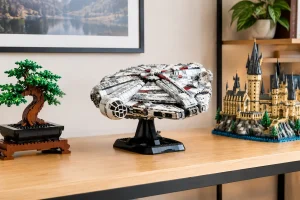
A better display gives each model room to breathe. Leave visible space around standout builds so the eye can settle on them. Group by theme, colour palette, or franchise instead of mixing everything together. A Star Wars shelf, a Marvel shelf, and a motorsport shelf will almost always look stronger than one shelf trying to do all three.
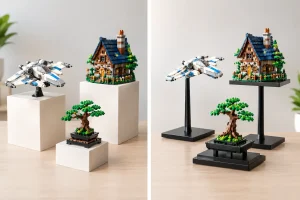
Height also matters. If every set sits flat on the same level, the whole display can feel static. Stands, risers, and tiered positioning create depth and stop the back row from disappearing. This is one of the simplest ways to make a collection look curated rather than crowded.
Lighting helps too, but it needs a bit of restraint. Soft LED lighting can sharpen detail and add drama, especially inside or around a display case. Harsh lighting, on the other hand, can flatten the model or create glare on acrylic. It depends on the room, the finish of the set, and how close the light source is.
Placement matters more than collectors think
Even the best case cannot fix a poor location. If a set is placed in direct sunlight, near a radiator, or somewhere it gets knocked every other day, the display will always be working against the environment.
Try to position valuable or delicate models away from strong sun and heavy foot traffic. Eye-level placement is usually best for hero pieces because it lets you appreciate the detail without looking down on the set. Lower shelves can work for larger models, but they lose some drama unless the room layout supports them.
If space is tight, rotating your display is often better than overloading it. Not every set needs to be out at once. Swapping feature builds every few months keeps the room fresh and gives older favourites a chance to shine again.
What to avoid when displaying LEGO
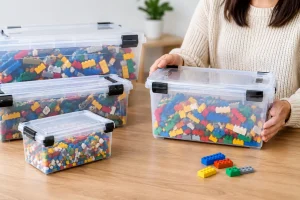
The most common mistake is using generic storage as display. Plastic tubs, deep cupboards, and oversized boxes may protect a set, but they do not showcase it. If you can barely see the model, you are storing it, not displaying it.
The second mistake is ignoring maintenance. Open displays need regular dusting. Cases need occasional cleaning too, especially the exterior. A premium display still needs care, just much less of it.
The third is forcing every set into the same layout. Some builds look best front-on. Others need height, angle, or a scenic background. The strongest collections are not random, but they are not rigid either.
A display should finish the build
The best display setup does more than protect a model. It completes it. That is why serious collectors move beyond basic shelving sooner or later. Once you see a favourite set properly framed, clean, and presented with the right stand or case, it is hard to go back to leaving it exposed on a crowded shelf.
If you want the best way to display LEGO sets, think like a curator as much as a builder. Choose the right location, give each model the space it deserves, and use display solutions that match the quality of the set itself. Your collection has already earned the spotlight. Now give it a proper stage.
RECENT POST